
ABBA, a group known for their originality and iconic music, has captivated fans worldwide with their unique harmonies and feel-good songwriting. However, what truly sets ABBA apart is their exceptional production and recording techniques, masterfully executed by their long-time producer Michael B Tretow. Through a meticulous approach to recording, ABBA crafted songs that continue to resonate with audiences decades later.
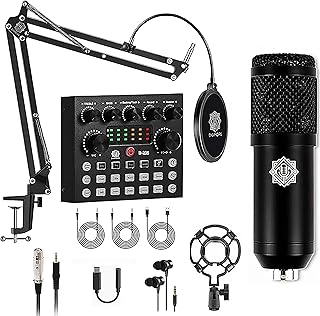
Michael Tretow, along with band members Bjorn Ulvaeus and Benny Andersson, employed innovative methods in the studio to ensure each ABBA track was a sonic masterpiece. One key aspect of their process involved recording individual elements of a song separately and then manipulating them during the mixing stage to achieve a distinct sound that set ABBA apart from other artists.

Central to ABBA’s sound were the impeccably mixed vocals of Frida and Agnetha, whose seamless harmonies were achieved through track isolation and pitch shifting techniques. The use of the Harrison 5632 console further enhanced the vocal clarity and cohesion, contributing to the group’s signature sound.

Instrumental to ABBA’s rhythm section was drummer Ola Brunkert, whose performances were recorded in isolation in a drum booth to capture the desired dryness and precision. Michael’s strategic drum mixing, focusing on toms and bass drums while minimizing cymbals, added depth and balance to the band’s arrangements.

When it came to recording guitars, both bass and electric, Michael opted for a unique approach of isolating the guitarists in a separate room to capture the raw energy and nuances of their playing. This method, combined with meticulous mic placement and amplification, imbued ABBA’s guitar lines with a distinctive character that complemented their overall sound.

The grand piano, a staple in ABBA’s music, was meticulously recorded using multiple C414 condenser mics, a technique ahead of its time. Layering these recordings and incorporating effects like flangers and delays added richness and texture to classic tracks like ‘Mamma Mia’ and ‘S.O.S’.

Electronic elements, particularly synth lines played on the Polymoog, contributed to ABBA’s futuristic sound. By experimenting with mic placement and overdubbing techniques, Michael created a unique blend of electronic and organic textures that defined songs like ‘Arrival’ and ‘Dancing Queen’.
Throughout the recording process, Michael emphasized capturing ambient sounds to enhance the overall depth and atmosphere of ABBA’s music. By strategically placing microphones to pick up room reverberations and nuances, he created a lush, orchestral quality that became synonymous with the band’s sound.
After meticulous recording and overdubbing, the mixing stage was where the magic truly happened. Michael, Benny, and Bjorn collaborated to fine-tune each track, utilizing rare equipment like the Harrison Mixer and Universal Audio LN 176 compressors to achieve the perfect balance and dynamics in ABBA’s songs.
While ABBA’s original producer Michael Tretow retired from public life in the early 2000s, the band’s legacy continues with modern productions overseen by engineer Bernard Löhr. With a focus on blending vintage techniques with contemporary sensibilities, the new era of ABBA music retains the essence of their classic sound while embracing modern technology and production methods.
As fans eagerly anticipate ABBA’s upcoming album ‘Voyage’, it’s clear that the genius of their music production techniques continues to shape the landscape of popular music, inspiring generations of artists to push the boundaries of creativity in the studio.
📰 Related Articles
- The Build: Unveiling the Artistry of Custom Motorcycle Masterpieces
- Zak Bagans’ The Haunted Museum: Unveiling Cursed Objects
- Why Printer Ink Prices Soar: Unveiling Industry Secrets
- Unveiling the Vital Role of Paraplanners in Financial Advisory
- Unveiling the Value of Million-Dollar Domain Names