
During the heyday of Australia’s rock press, the cultural landscape was shaped by magazines that held significant influence over what fans saw and heard. Before the era of social media, these publications served as crucial intermediaries between artists and their audiences, providing insights into the music scene.

Samuel J. Fell’s book, “Full Coverage,” delves into the history of Australia’s rock press, shedding light on the eccentric writers, editors, and publishers who left a lasting impact on the industry. Fell’s narrative captures the essence of local rock music coverage, exploring the evolution of national magazines and the personalities behind them.

From the groundbreaking Go-Set in 1966 to the emergence of street papers as a unique Australian creation, the music press played a vital role in connecting fans with their favorite artists. These publications, fueled by advertising revenue, offered a diverse range of content, shaping the narrative around music culture in the country.
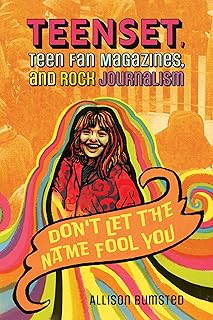
While Fell’s exploration of the rock press provides valuable insights, it also raises questions about the editorial dynamics and financial influences that shaped the industry. The interplay between writers, editors, and advertisers often dictated the tone of reviews and features, highlighting the complex ecosystem of music journalism.
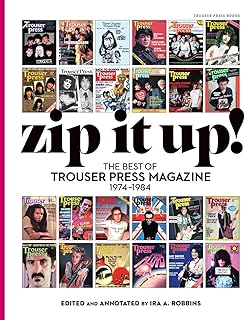
Beyond the headlines, the rock press was a stage for personal dramas and professional rivalries. Instances like the public feud between musician Steve Kilbey and journalist Stuart Coupe underscored the tensions that could arise between artists and critics in the media spotlight.

The evolution of music magazines mirrored the broader shifts in media consumption, with the rise of online platforms signaling the decline of traditional print publications. As the industry adapted to digital innovations, pioneers like Philip Keir foresaw the transformative impact of the internet on journalism, paving the way for a new era of music coverage.

While iconic publications like Rolling Stone and Countdown magazine left a lasting legacy, the landscape of music journalism in Australia has undergone significant changes. Today, boutique magazines like Efficient Space cater to niche audiences, reflecting a shift towards more specialized and curated content.
As the digital age reshapes the media landscape, the legacy of Australian rock journalism lives on through online archives and scholarly research. Platforms like the University of Wollongong’s repository offer a glimpse into the vibrant history of music magazines, preserving the cultural significance of these publications.
Despite the challenges faced by traditional music press, the spirit of innovation and storytelling continues to thrive in contemporary publications. As the industry evolves, the legacy of Australia’s trailblazing rock press serves as a testament to the enduring impact of music journalism on culture and society.
📰 Related Articles
- Exploring Australia’s Beauty Through Stand-Up Paddleboarding
- Vintage Bike Enthusiast Preserves Australia’s Cycling Legacy
- Tesla’s Authenticity and Passion Define Rock Legacy
- Rock Music Pioneer Steve Albini Leaves Lasting Legacy
- Piano’s Enduring Legacy: A Musical Journey Through History